Neighborly Dispute
Timeline: 1 months - April to May 2023
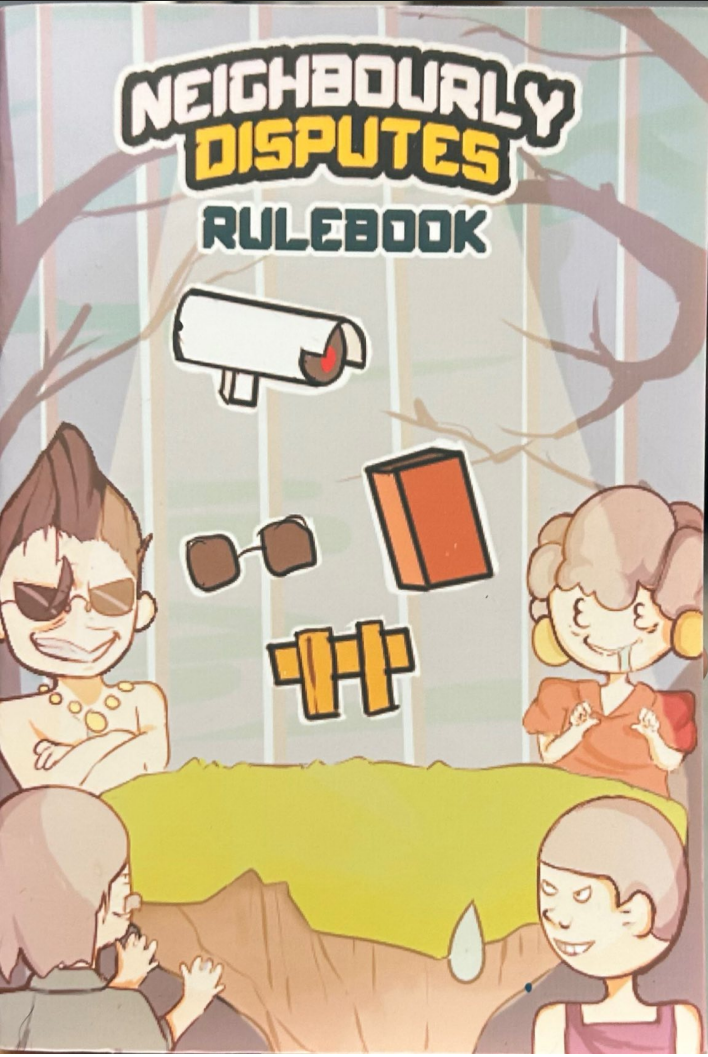
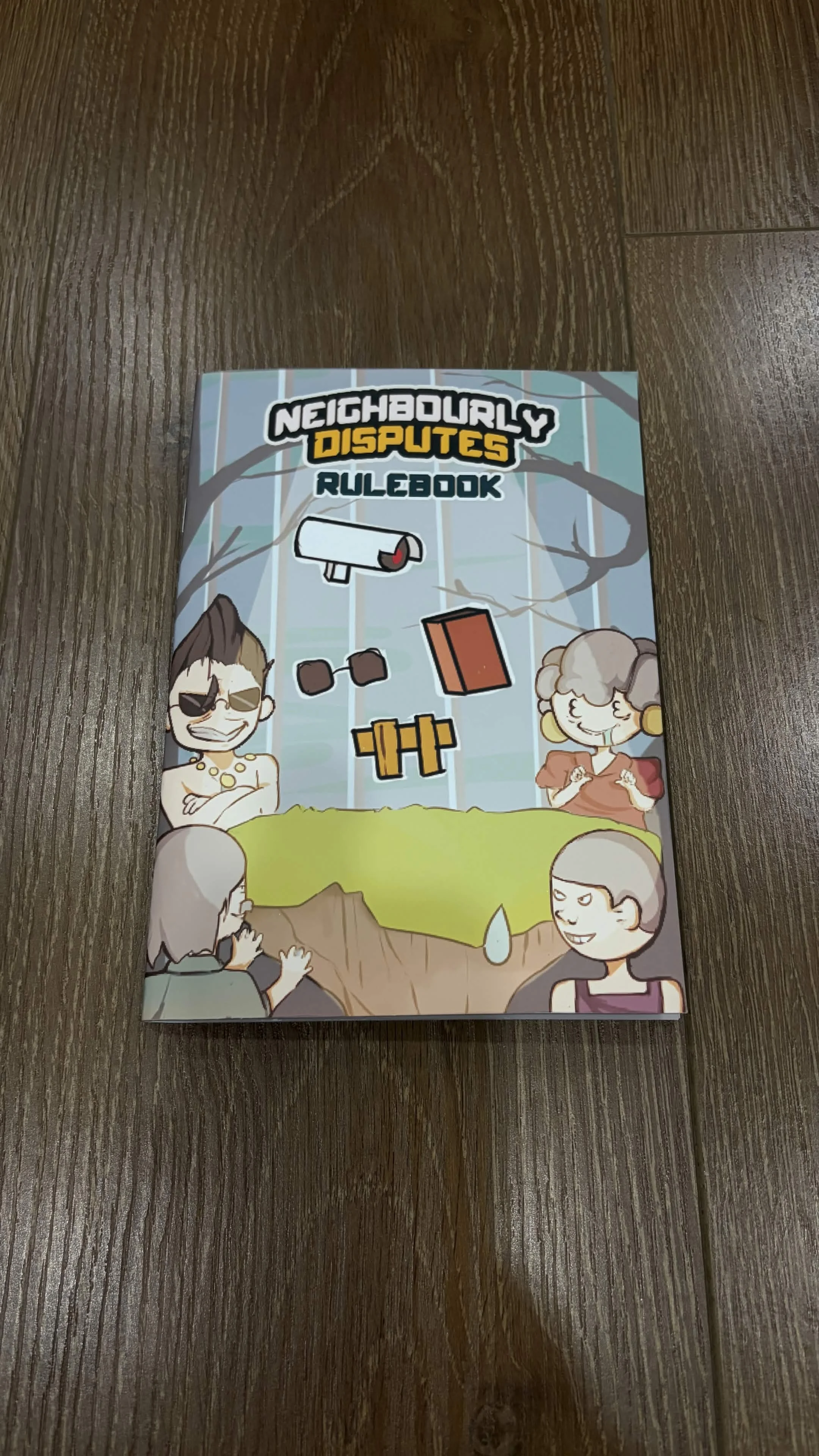
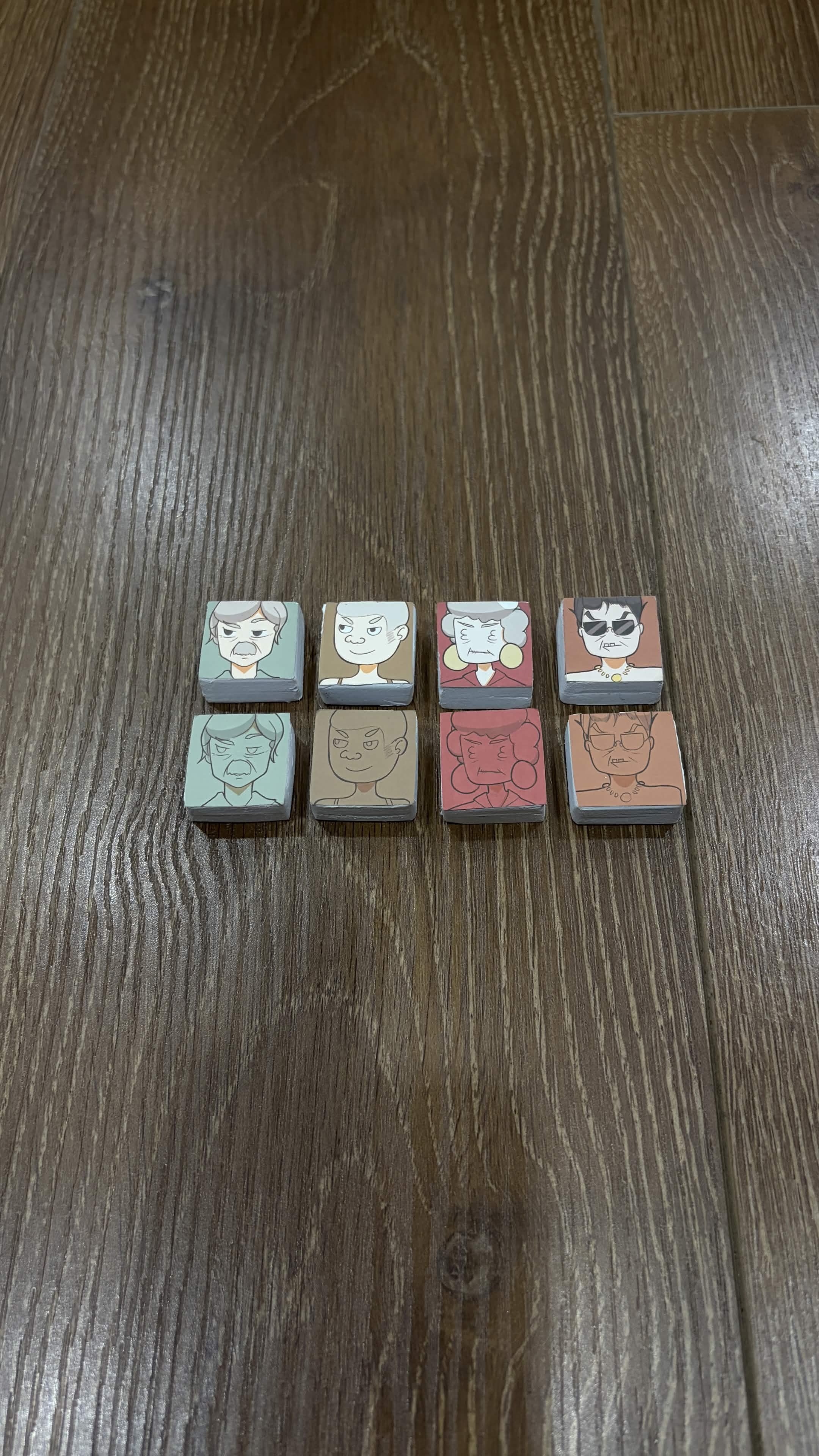
A Board Game where four neighbors occupy as much space as they can to gain as much land as they can till they get the land certificate. Ít a four-player game
1. About:
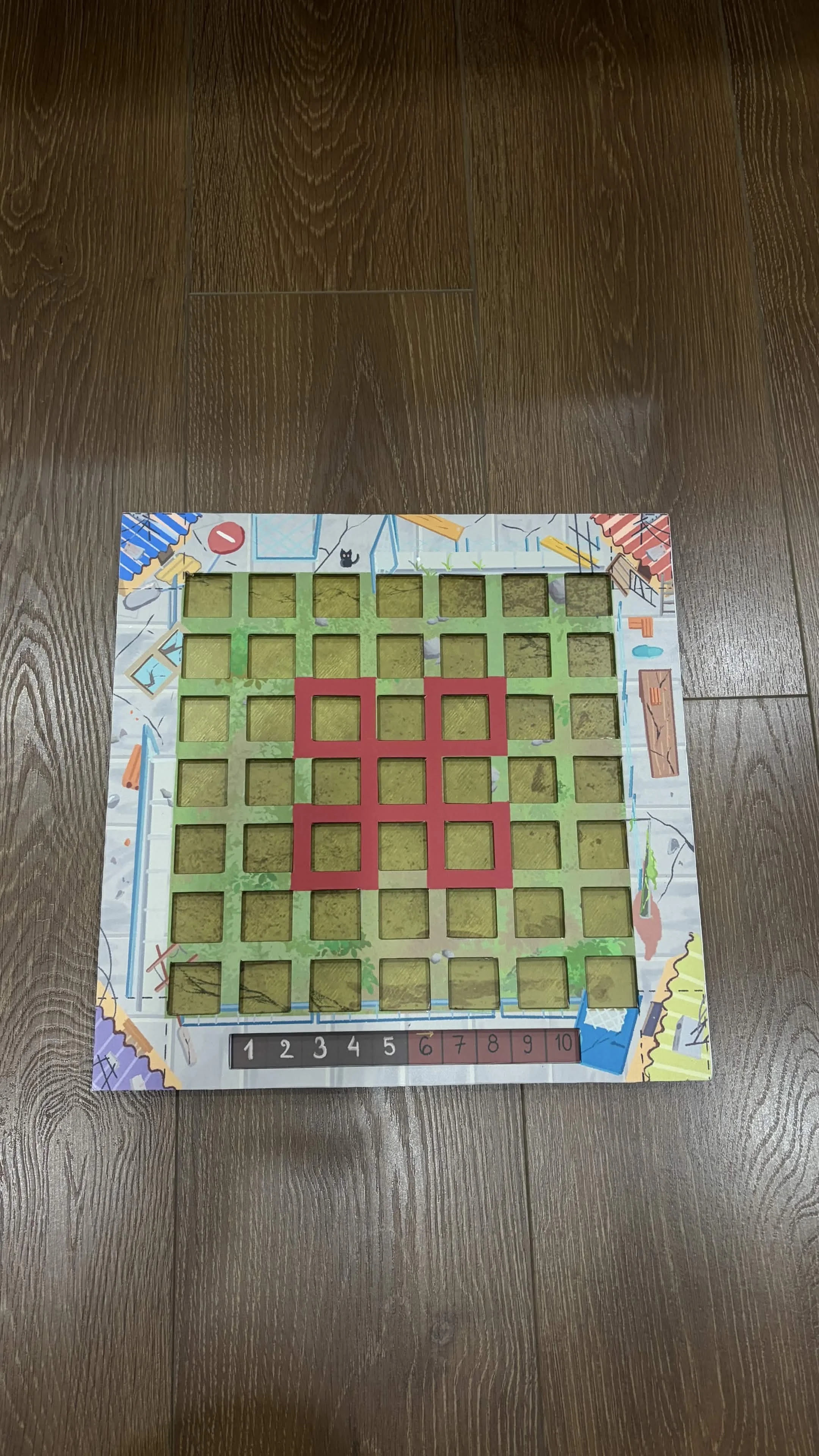
Created the board and tiles for players to play.
Created the card mechanics and time system to balance the game.
Contributed to the design and organization of the board layout and territory system.
Tested gameplay and identified areas that needed adjustment or balancing.
2. ROLE: Game Designer
3. Concept:
Phase 1 - Idea
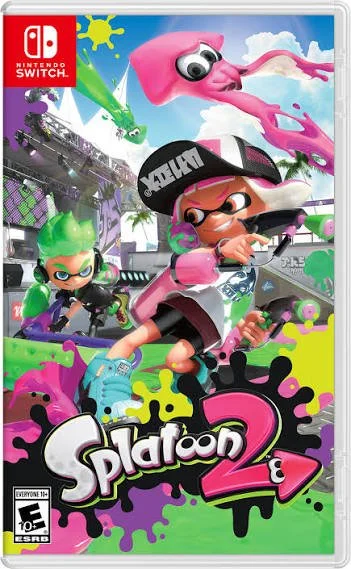
Our initial idea drew inspiration from the territory-control feel of games like Splatoon. The goal was simple: occupy as much space as possible and finish with the most territory.
Phase 2 - Design Challenge
The problem appeared when we translated this idea into a turn-based board game.
Unlike a game such as Splatoon, players cannot act simultaneously. Each player must wait their turn.
PROBLEMS:
The first player had a significant advantage because they could move first.
The last player could be left with fewer options.
Phase 3 - Solve Problems
Splatoon can also sabotage other players. I proposed introducing ability cards to give players more ways to influence the board beyond simply moving and occupying one tile at a time.
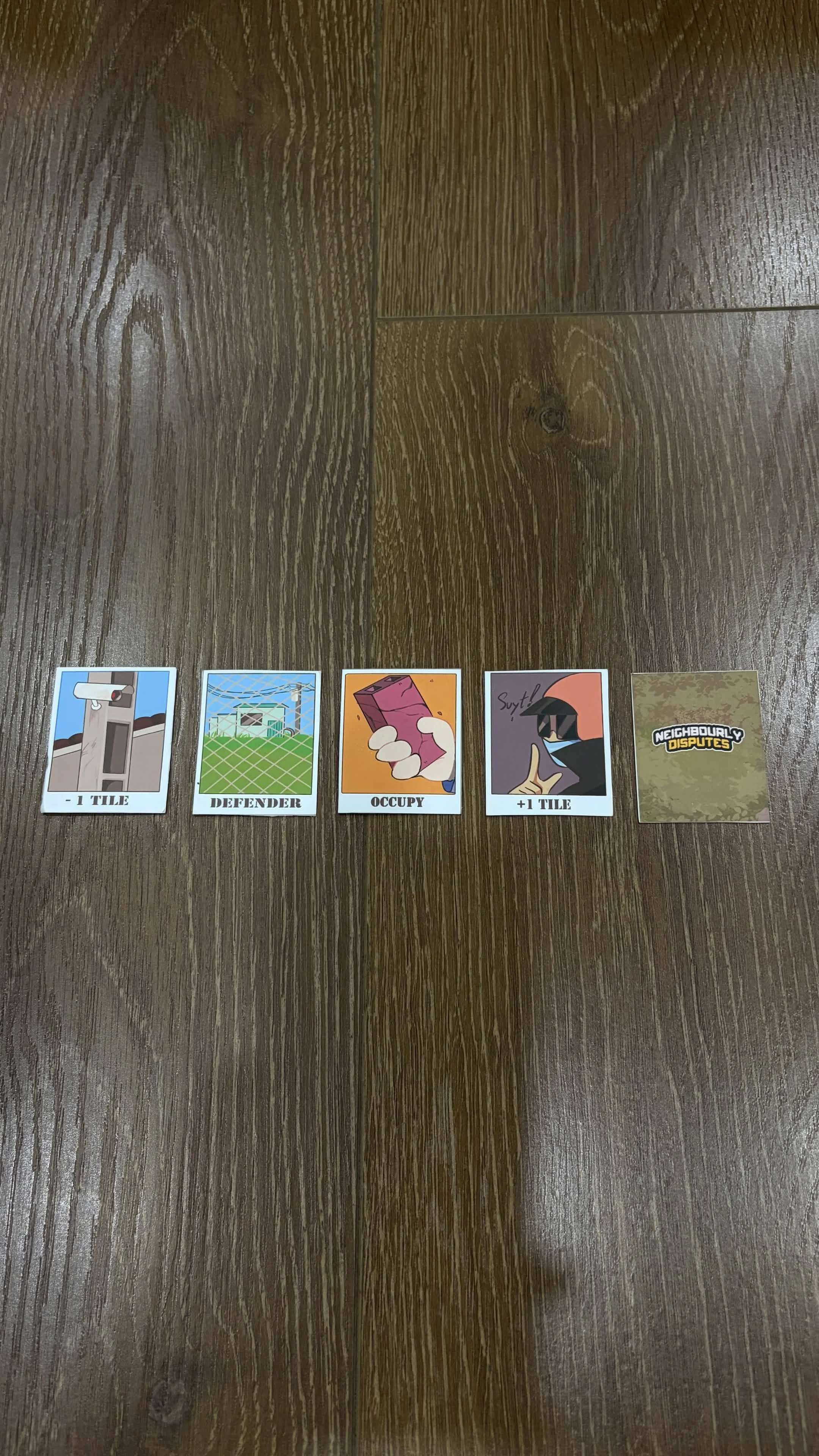
There are four ability cards:
Plus one tile move on your turn card.
Minus one tile move on another turn card.
Block an opponent's path card
Defend territory card.
Phase 4 - Refine the System:
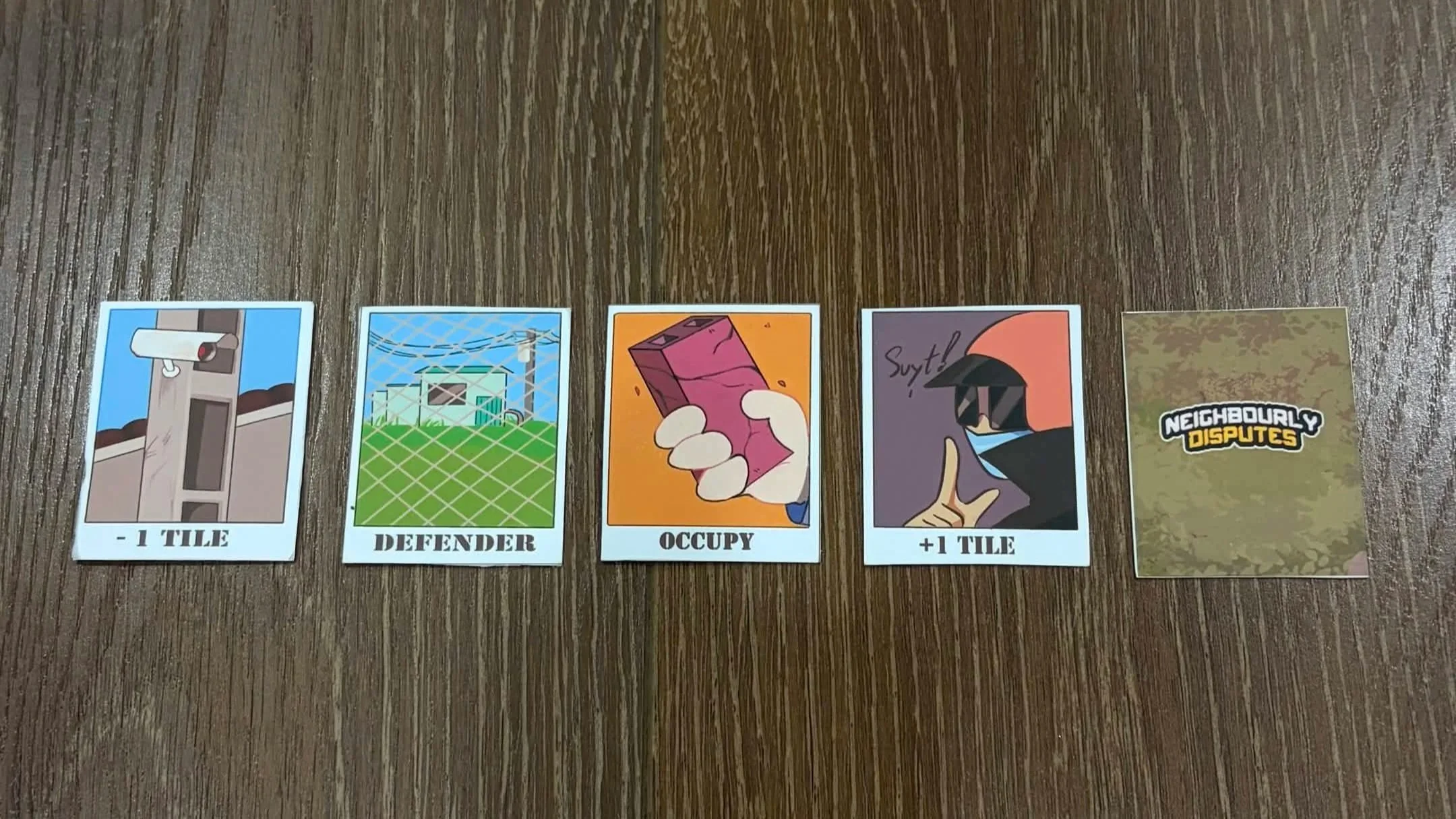
Each player has only 3 cards per round, max.
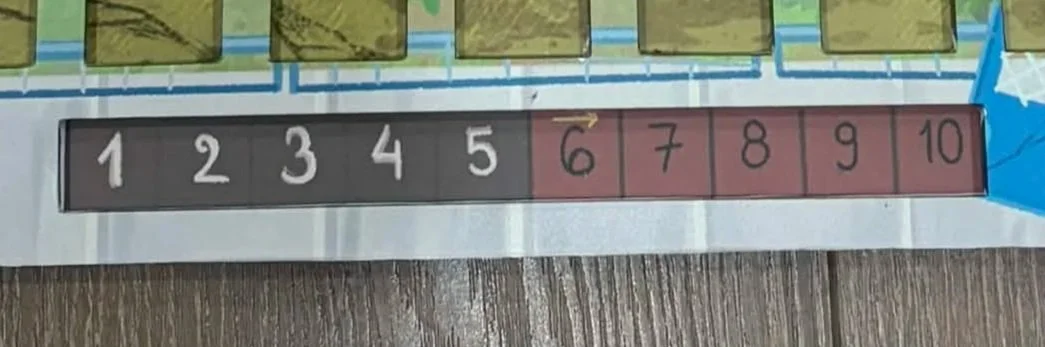
Introducing a day/round limit, with the final rules using 10 Rounds as the winning conditions.
Balancing the strength and frequency of the cards.
4. What i learns:
Developed an understanding of game balancing and rule design.
Learned how to identify and solve gameplay problems through playtesting.
Gained experience creating a physical game prototype.
Learned how small changes to rules and mechanics can significantly affect game balance and player experience